Choosing therapy is an important step. But once you decide you may need support, another question often comes up: should you choose online therapy or in-person therapy?
Both options can help people work through anxiety, depression, stress, relationship concerns, family challenges, grief, life transitions, and emotional overwhelm. The main difference is how therapy is delivered.
Online therapy, also called virtual therapy, teletherapy, or online counseling, allows you to meet with a licensed therapist through a secure video or phone session. In-person therapy happens face-to-face in a therapist’s office.
Neither option is automatically better for everyone. The right choice depends on your needs, symptoms, privacy, schedule, comfort level, location, and the type of support you are looking for.
If you are new to telehealth counseling, you may want to first read our guide on how online therapy and telehealth counseling work before your first session. This can help you understand the basics before comparing online and in-person care.
This guide explains the key differences between online therapy and in-person therapy, how effective each option can be, who may benefit from each format, and when it may be time to speak with a mental health professional.
Quick Answer: Online Therapy vs. In-Person Therapy
Online therapy and in-person therapy can both be effective forms of mental health support. Online therapy is often more flexible, convenient, and accessible because sessions can happen from home. In-person therapy may be better for people who need a more structured setting, do not have private space at home, prefer face-to-face connection, or need a higher level of care.
For many concerns, including anxiety and depression, research and professional guidance suggest teletherapy can produce outcomes similar to traditional in-person therapy when it is provided by qualified professionals and is clinically appropriate. The American Psychological Association notes that teletherapy has shown similar outcomes to in-person therapy for several mental health concerns, including anxiety, depression, PTSD, and adjustment disorder.
The best option is the one that fits your clinical needs, helps you feel safe enough to participate honestly, and allows you to attend sessions consistently.
What Is Online Therapy?
Online therapy is mental health counseling provided through digital communication. Most online therapy sessions happen through secure video calls, although some providers may offer phone sessions when appropriate.
During online therapy, you meet with a licensed therapist from a private location, such as your home, office, school, or another safe space. The therapist may help you understand your emotions, identify patterns, build coping skills, improve communication, and work toward personal or family goals.
Online therapy may support people dealing with anxiety, depression, stress, burnout, life transitions, relationship challenges, parenting concerns, child emotional struggles, teen mental health concerns, and family conflict.
The format is different from office-based therapy, but the purpose is the same: to provide professional mental health support in a safe, structured, and confidential setting.
What Is In-Person Therapy?
In-person therapy is the traditional form of therapy where you meet a therapist face-to-face in an office, clinic, school, hospital, or community mental health setting.
Like online therapy, in-person therapy can be used for many mental health concerns. A therapist may use evidence-based approaches such as cognitive behavioral therapy, family therapy, play therapy, trauma-informed therapy, couples therapy, or other methods depending on your needs and their training.
Some people prefer in-person therapy because the setting feels more separate from daily life. Leaving home, going to an office, and sitting with a therapist in the same room can feel grounding and focused for some clients.
In-person therapy may also be recommended when symptoms are more severe, when privacy at home is not possible, or when the therapist needs to observe body language, behavior, or family interactions more closely.
Online Therapy vs. In-Person Therapy: Key Differences
Both formats can provide professional support, but they differ in access, setting, privacy, comfort, and clinical fit.
| Factor | Online Therapy | In-Person Therapy |
|---|---|---|
| Location | Sessions happen through video or phone from a private space | Sessions happen in a therapist’s office or clinic |
| Convenience | Usually easier for busy schedules, parents, students, and people without transportation | Requires travel time and office availability |
| Privacy needs | Requires a quiet and private space at home or another location | Office provides a built-in private setting |
| Comfort level | Some people feel more comfortable opening up from home | Some people feel more connected face-to-face |
| Access | Can improve access for people in rural areas or those far from providers | Limited by distance, transportation, and local provider availability |
| Technology | Requires internet, device, camera, microphone, and comfort with video sessions | No technology needed during the session |
| Clinical fit | Good for many mild to moderate concerns when appropriate | May be better for complex, severe, or higher-risk situations |
| Family participation | Can make it easier for family members to join from different places | Helpful when family members can attend together in one room |
Benefits of Online Therapy
Online therapy has become common because it reduces many barriers that stop people from getting support.
Online therapy can be easier to access
For people who live far from a therapist’s office, have limited transportation, manage a busy work schedule, or care for children at home, online therapy can make counseling more realistic. Telehealth can also increase access to mental health care by allowing people to connect with qualified professionals without needing to travel. The American Psychiatric Association describes telepsychiatry through video conferencing as a validated and effective practice that can increase access to care when used properly.
Online therapy may improve consistency
Therapy often works best when sessions are consistent. Online therapy can reduce missed sessions because clients do not need to commute, arrange transportation, or take extra time away from work, school, or home responsibilities.
Consistency matters because therapy is usually not a one-time fix. It often works through repeated conversations, skill practice, reflection, and gradual change.
Online therapy can feel more comfortable for some people
Some clients feel more relaxed when they talk from a familiar place. This can be especially helpful for people who feel nervous about going to a therapy office for the first time.
For teens, adults, couples, and families, being in a familiar setting may make it easier to begin the conversation. That said, comfort depends on the person. Some people feel more focused in an office setting.
Online therapy can support families and couples
For family therapy or couples therapy, online sessions may make scheduling easier. Family members may be able to join from different locations when appropriate. This can be useful when work schedules, school schedules, or transportation make in-person attendance difficult.
Benefits of In-Person Therapy
In-person therapy still has important advantages and may be the better choice for some people.
In-person therapy offers a separate therapeutic space
For some clients, going to a therapist’s office creates a clear boundary between daily life and therapy. The office can feel like a protected space where the person can focus only on themselves, their emotions, and their goals.
This separation can be helpful for people who feel distracted at home or who do not have a quiet private space.
In-person therapy may help with nonverbal communication
Therapists pay attention not only to words, but also to body language, facial expressions, movement, and emotional cues. Video therapy still allows for some of this, but in-person sessions may give the therapist a fuller view.
This may matter more in certain situations, such as child therapy, family therapy, trauma-related concerns, or more complex clinical presentations.
In-person therapy may be better for higher levels of care
Some people need more support than online therapy can safely provide. In-person therapy, intensive outpatient programs, partial hospitalization programs, emergency services, or specialized clinical settings may be more appropriate when symptoms are severe or safety is a concern.
Online therapy is not a crisis service. If someone is at immediate risk of harm, they need urgent support.
Is Online Therapy as Effective as In-Person Therapy?
For many people and many concerns, online therapy can be effective. It is not “less real” simply because it happens through a screen.
The American Psychological Association states that teletherapy, including care delivered by phone or videoconferencing, has shown similar outcomes to traditional in-person therapy for several mental health concerns, including anxiety, depression, PTSD, and adjustment disorder.
A systematic review and meta-analysis on telemedicine interventions for depression also found evidence that telemedicine can reduce depressive symptoms, though outcomes can vary based on the type of intervention, client needs, and treatment quality.
The most important factors are not only the format, but also:
- Whether the therapist is properly licensed and trained
- Whether the therapy approach matches the concern
- Whether the client has privacy and can participate honestly
- Whether sessions happen consistently
- Whether the client and therapist build a strong therapeutic relationship
- Whether the level of care is appropriate for the symptoms
Online therapy can be highly useful, but it is not the right fit for every person or every situation.
Who May Benefit from Online Therapy?
Online therapy may be a good option for people who want professional support but need flexibility.
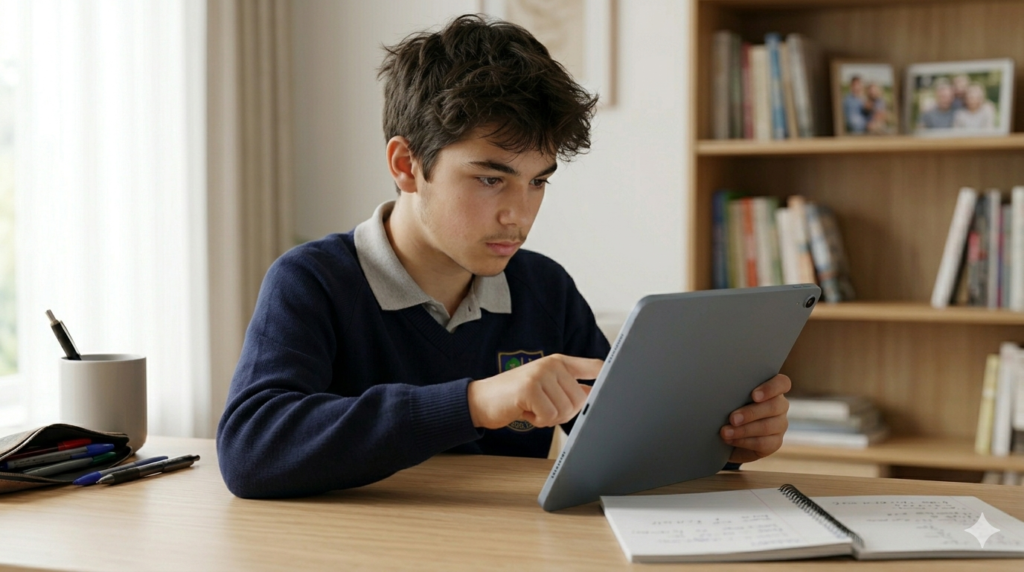
It may work well for adults who are managing work stress, anxiety, depression, burnout, relationship concerns, or major life changes. It may also help teens who feel more comfortable speaking from home, especially when sessions fit more easily around school and family schedules.
Online therapy may also support children and families when the therapist is trained to provide age-appropriate care through telehealth and when parents can be involved when needed.

Online therapy may be especially helpful if you:
- Have transportation barriers
- Live far from available therapists
- Need flexible scheduling
- Feel nervous about visiting an office
- Have mild to moderate anxiety, depression, stress, or adjustment concerns
- Need couples or family members to join from different locations
- Prefer a familiar setting
Who May Benefit More from In-Person Therapy?
In-person therapy may be a better option if your situation requires more structure, privacy, observation, or clinical support.
You may prefer or need in-person therapy if you do not have a private space for online sessions, feel distracted at home, have unreliable internet, or feel more connected when sitting with a therapist face-to-face.
In-person care may also be more appropriate if symptoms are severe, safety concerns are present, or the therapist recommends a higher level of support.
Examples may include:
- Active suicidal thoughts or immediate safety concerns
- Severe symptoms that interfere with daily functioning
- Psychosis, mania, or major changes in reality testing
- Severe eating disorder symptoms
- Substance use concerns requiring structured treatment
- Domestic violence situations where privacy at home is unsafe
- Situations where a higher level of care is recommended
This does not mean in-person therapy is always required for these concerns, but it does mean a professional assessment is important.
Diagnosis and Treatment: What Both Options Can Support
Online therapy and in-person therapy can both help with assessment, treatment planning, and therapy for many emotional and behavioral concerns.
Diagnosis
A licensed mental health professional may assess symptoms, history, functioning, stressors, and goals. Depending on their license, role, and state rules, they may diagnose mental health conditions or refer you to another qualified provider for evaluation.
Diagnosis is not always required to begin therapy. Many people start therapy because they feel overwhelmed, stuck, anxious, sad, burned out, or unsure how to cope.
Treatment
Treatment may include talk therapy, coping skills, emotional regulation strategies, communication work, family support, behavioral tools, and goal-setting.
Common therapy approaches may include cognitive behavioral therapy, dialectical behavior therapy skills, family systems work, parent guidance, trauma-informed care, couples counseling approaches, or other evidence-based methods depending on the therapist’s training.
Medication is different from therapy. Most therapists do not prescribe medication. If medication may be helpful, a therapist may refer you to a psychiatrist, psychiatric nurse practitioner, primary care clinician, or another qualified prescriber.
Prevention: Can Therapy Help Before Things Get Worse?
Therapy is not only for crisis moments. Many people benefit from starting therapy before symptoms become severe.
Early support may help you notice patterns, manage stress, improve communication, develop coping skills, and respond to challenges before they grow. This can be especially helpful for anxiety, burnout, family conflict, parenting stress, school stress, and relationship concerns.
Therapy cannot prevent every mental health challenge, but it can help people build skills and support systems that reduce emotional strain over time.
How to Choose the Right Therapy Format
There is no single right answer for everyone. A helpful way to choose is to look at your needs honestly.
Online therapy may be a strong fit if convenience, access, and flexibility are your biggest barriers. In-person therapy may be better if you need a separate space, have safety concerns, or feel more comfortable meeting face-to-face.
Ask yourself:
Can I speak openly and privately from home?
Do I have reliable internet and a quiet space?
Would travel make therapy harder to attend?
Do I feel safer online or in an office?
Are my symptoms mild, moderate, or severe?
Do I need individual, couples, family, child, or teen therapy?
Do I need crisis support or a higher level of care?
You can also discuss these questions with a therapist during a consultation or first session.
How to Prepare for Therapy in Either Format
Whether you choose online or in-person therapy, preparation can help you feel more comfortable.
Before your first session, think about what made you consider therapy. You can write down a few concerns, questions, or goals. You do not need to explain everything perfectly. A therapist’s role is to help you organize what you are experiencing.
For online therapy, test your internet, camera, microphone, and session link. Choose a quiet space and use headphones if possible.
For in-person therapy, plan your travel time, parking, and arrival. Give yourself a few minutes before and after the session so you do not feel rushed.
In both formats, it is okay to feel nervous. Starting therapy often feels unfamiliar at first.
When to See a Mental Health Professional
You may want to speak with a mental health professional if emotional or behavioral concerns are affecting your daily life, relationships, work, school, sleep, parenting, or ability to cope.
Consider reaching out if you notice:
- Ongoing anxiety, worry, sadness, anger, or numbness
- Panic attacks or intense fear
- Loss of interest in things you usually care about
- Major changes in sleep, appetite, or energy
- Relationship conflict that keeps repeating
- Family communication problems
- A child or teen struggling with emotions, behavior, or school stress
- Burnout, overwhelm, or difficulty functioning
- Grief or a major life transition that feels hard to manage
If there is immediate danger, suicidal thoughts, risk of self-harm, or risk of harming someone else, call emergency services or go to the nearest emergency room. In the United States, the 988 Suicide & Crisis Lifeline provides 24/7 support from trained crisis counselors by call, text, or chat.
FAQs
Is online therapy better than in-person therapy?
Online therapy is not automatically better than in-person therapy. It may be better for people who need convenience, flexibility, or easier access. In-person therapy may be better for people who need a separate private space, prefer face-to-face connection, or require a higher level of care.
Is online therapy as effective as in-person therapy?
For many concerns, online therapy can have similar outcomes to in-person therapy when it is provided by qualified professionals and is clinically appropriate. Research and professional guidance support teletherapy for several concerns, including anxiety and depression.
What are the disadvantages of online therapy?
Online therapy may not be ideal if you do not have privacy, have unreliable internet, feel distracted at home, need intensive support, or are in crisis. Some people also feel more connected in the same room as their therapist.
What are the advantages of online therapy?
Online therapy can reduce travel time, improve access, offer more flexibility, and make it easier for some people to attend sessions consistently. It can also help families or couples join therapy when schedules or locations are difficult.
Can online therapy diagnose mental health conditions?
Some licensed mental health professionals can assess and diagnose mental health conditions through telehealth, depending on their license, role, state rules, and the client’s needs. If a different evaluation is needed, they may refer you to another qualified provider.
Can online therapists prescribe medication?
Most therapists do not prescribe medication. Medication is usually prescribed by psychiatrists, psychiatric nurse practitioners, primary care clinicians, or other qualified medical providers, depending on state laws and clinical needs.
Is online therapy private?
Online therapy should follow professional privacy and confidentiality practices. Clients also need a private space, secure device, and reliable connection. The American Psychological Association’s telepsychology guidance emphasizes informed consent, confidentiality, security, record keeping, competence, and legal requirements when using technology in psychological services.
Should children and teens do online therapy or in-person therapy?
It depends on the child or teen’s age, needs, symptoms, privacy, attention level, family involvement, and therapist recommendation. Some children and teens do well with online therapy, while others may benefit more from in-person sessions.
Key Takeaway
Online therapy and in-person therapy can both provide meaningful mental health support. Online therapy is often more flexible and accessible, while in-person therapy may offer more structure, privacy, and face-to-face connection.
The best choice depends on your needs, safety, comfort level, symptoms, schedule, and access to care. If you are unsure, speaking with a licensed therapist can help you decide which format is the right starting point.
Disclaimer
This article is for educational purposes only. It is not a substitute for professional mental health care, diagnosis, treatment, or emergency support. If you are experiencing a mental health crisis, thoughts of self-harm, suicidal thoughts, or immediate danger, call emergency services or contact the 988 Suicide & Crisis Lifeline in the United States.
References
American Psychological Association. Telehealth and telepsychology.
American Psychological Association. Guidelines for the Practice of Telepsychology.
American Psychiatric Association. Telepsychiatry.
National Library of Medicine / PubMed Central. Telemedicine interventions for depression: systematic review and meta-analysis.
SAMHSA. 988 Suicide & Crisis Lifeline.